Hedge Foundation
A trading desk for a professional crypto strategy — accounts, charts, alarms, and orders on one screen.
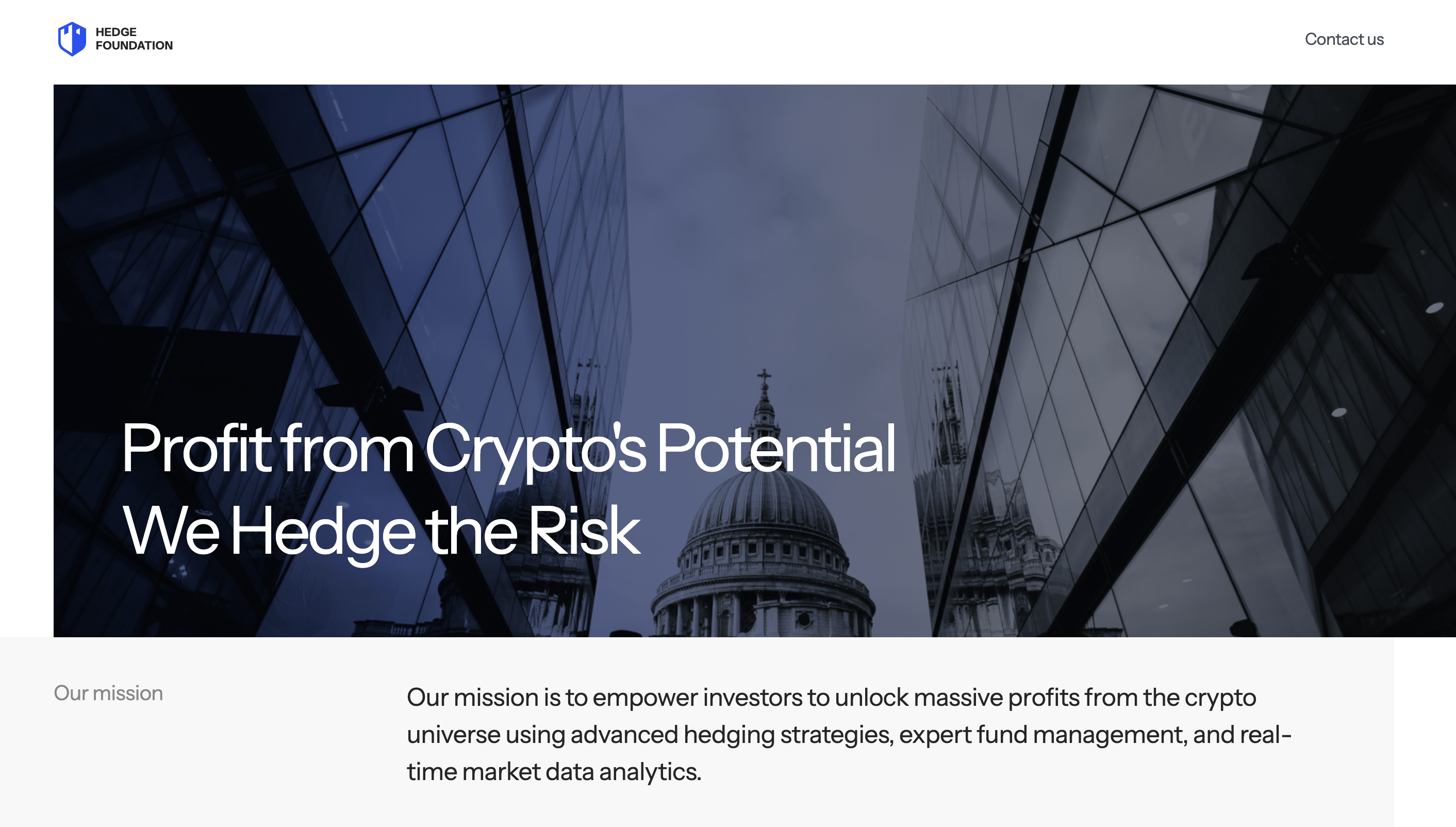
Hedge Foundation
1×
One pane of glass for accounts, positions, PnL and orders that used to live across half a dozen exchange tabs — operator decisions in seconds instead of minutes.
24/7
Always-on crawlers and alarms watch the markets so the trader doesn't have to — automated rules trigger orders the moment custom conditions are met.
Hedge Foundation is a dashboard built for a professional crypto trader who operates across several exchanges at once. It pulls together accounts, positions, balances, PnL, and bulk-order execution so the work that used to take a dozen browser tabs happens behind one interface.
The founder is a quantitative trader, and the brief came out of their own desk: synchronise the data across venues, automate the tedious parts of monitoring and execution, and turn live market data into the visualisations a strategy can actually be drawn on. The platform exists to compress the time between a signal and an order.
We took the project end-to-end — Elixir and Phoenix on the backend, Next.js on the front-end, a layer of crawlers and rate managers around the exchange APIs, and a TradingView-based charting surface extended with custom indicators. The partnership has continued as the strategy and the list of supported venues grow.
The founder is a quantitative trader running a strategy that crosses several exchanges and fires off a high volume of trades each day. The constraints were obvious once we sat with the workflow: balances and positions lived behind different logins, watching the market around the clock was impossible without automation, and the windows in which a setup paid out were measured in seconds. Off-the-shelf charting tools couldn't render the indicators the strategy depended on, and there was nowhere durable to keep the historical market data the back-tests needed. What the founder wanted was a single system that would alert, execute, store, and visualise — without any of the manual stitching the previous setup required.
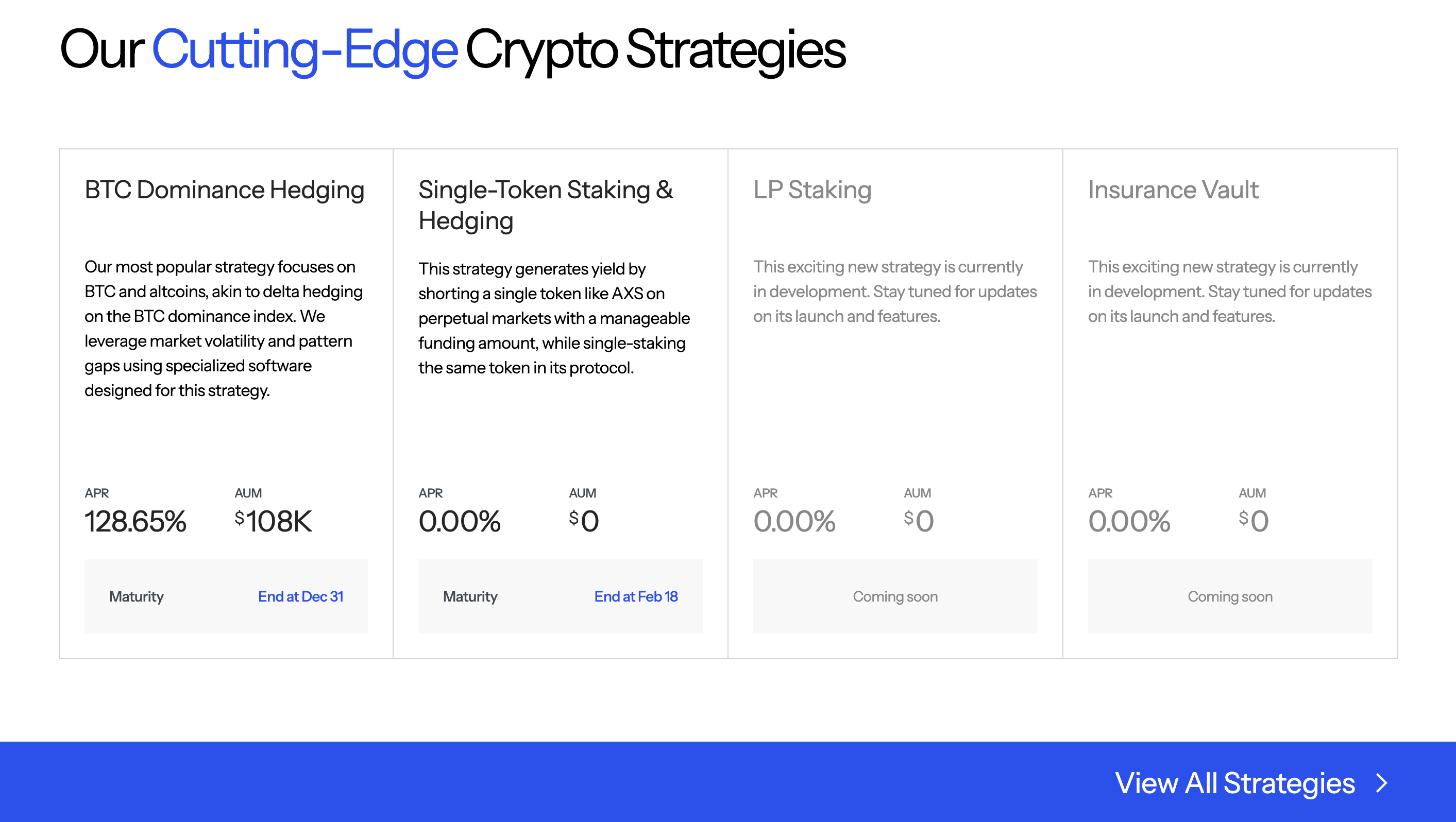
Real-time financial data is unkind to lazy choices, so we picked Elixir and Phoenix for the backend: the concurrency model handles many exchange streams cleanly, and Supervisor plus GenServer gave us crawlers and schedulers that recover themselves when a third-party API goes flaky. Custom Balancer and Forwarder services in front of the exchange APIs keep crawlers under per-venue rate limits without dropping data on the floor. PostgreSQL — with the views and indexes the dashboard reaches for — holds positions, fills, and history. On the front-end, Next.js renders a desk-grade interface; AG Grid keeps fast-updating tables responsive even with thousands of rows; and we push heavy calculations into web workers so the main thread stays smooth while the numbers move.
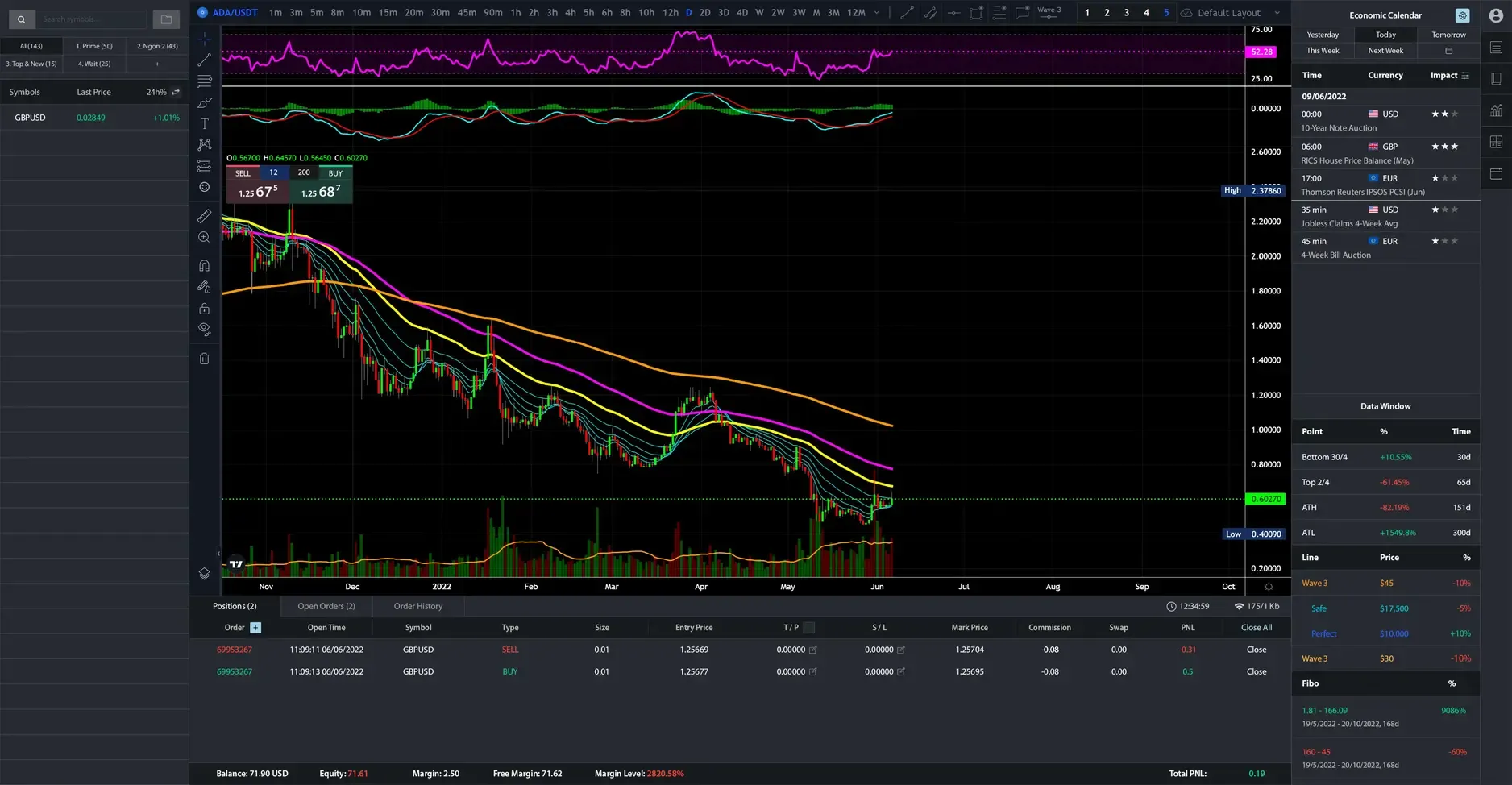
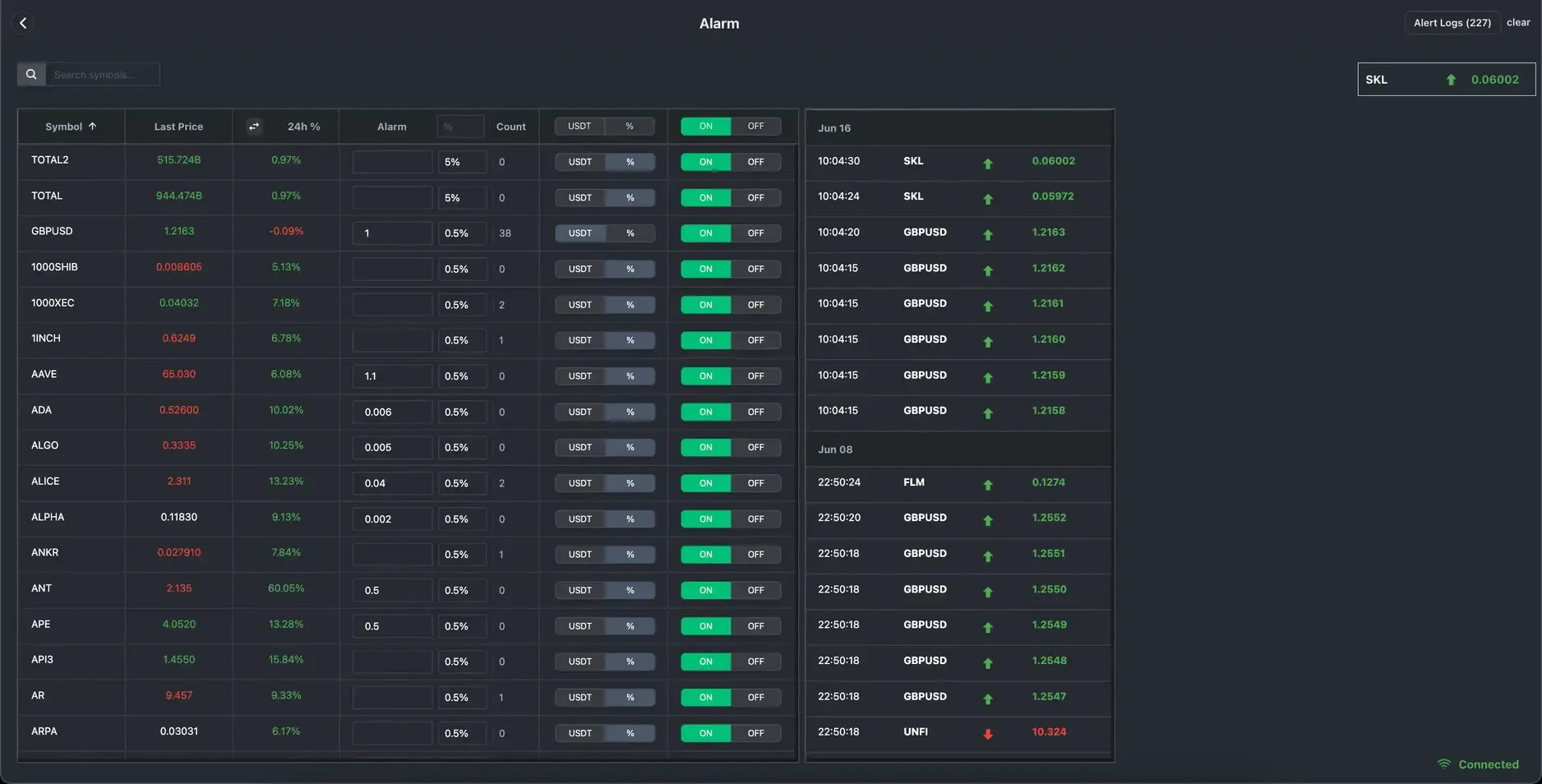
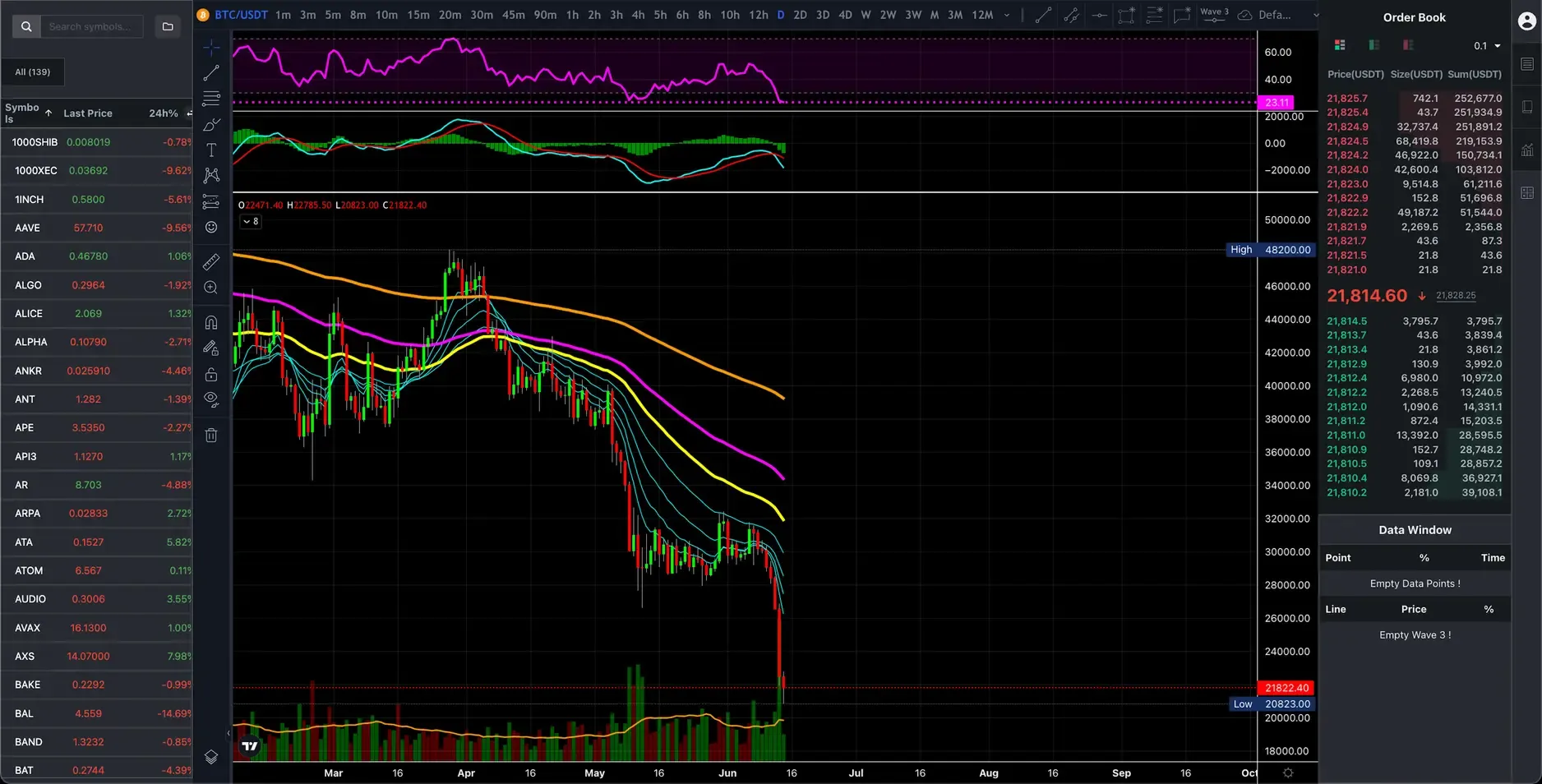
The visualisation layer mattered as much as the data layer. We integrated TradingView and extended it with the proprietary indicators the founder's strategy is built around, plus drawing tools that let the trader annotate charts with their own setups. Combined with the real-time tables and the alarm system, it became the surface the strategy actually gets executed on — not a dashboard a trader checks alongside their real tools.
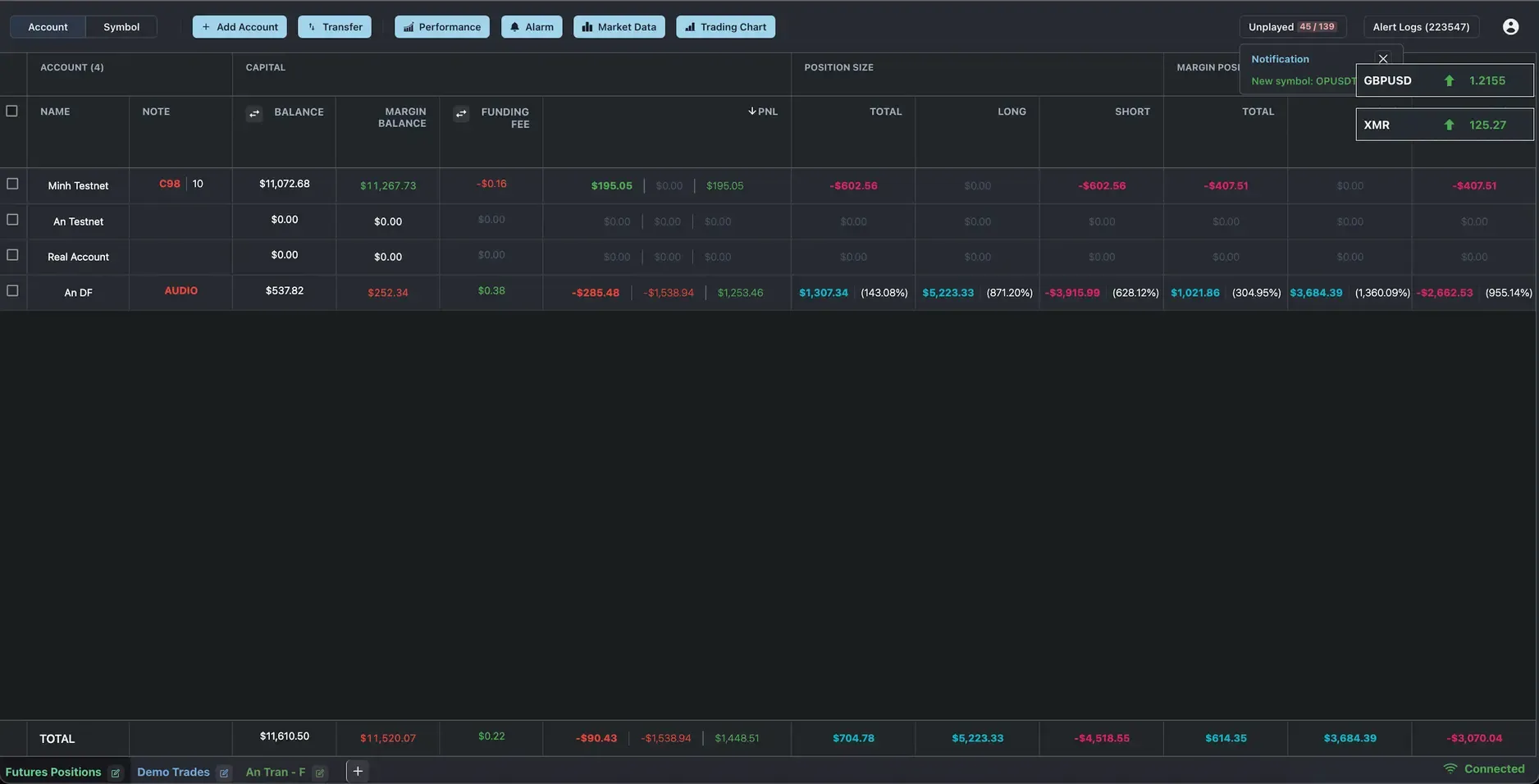
We worked closely with the founder rather than at arm's length, because the requirements only made sense when explained against an open chart. Saturdays were the weekly review — what shipped, what the next sprint looks like, which strategy insight needs to become a feature. Daily stand-ups on Discord kept the engineering team and the founder aligned through the week, with Basecamp and GitHub holding the longer-form tasks and code. It is the rhythm that lets a small, mixed team build a tool that has to keep up with someone who lives in the markets.
“Every integration shortened the loop between seeing the market and acting on it. The point of the platform was that loop.”
A few sentences about your team and what you're building is usually enough. We reply within three working days.