Momos
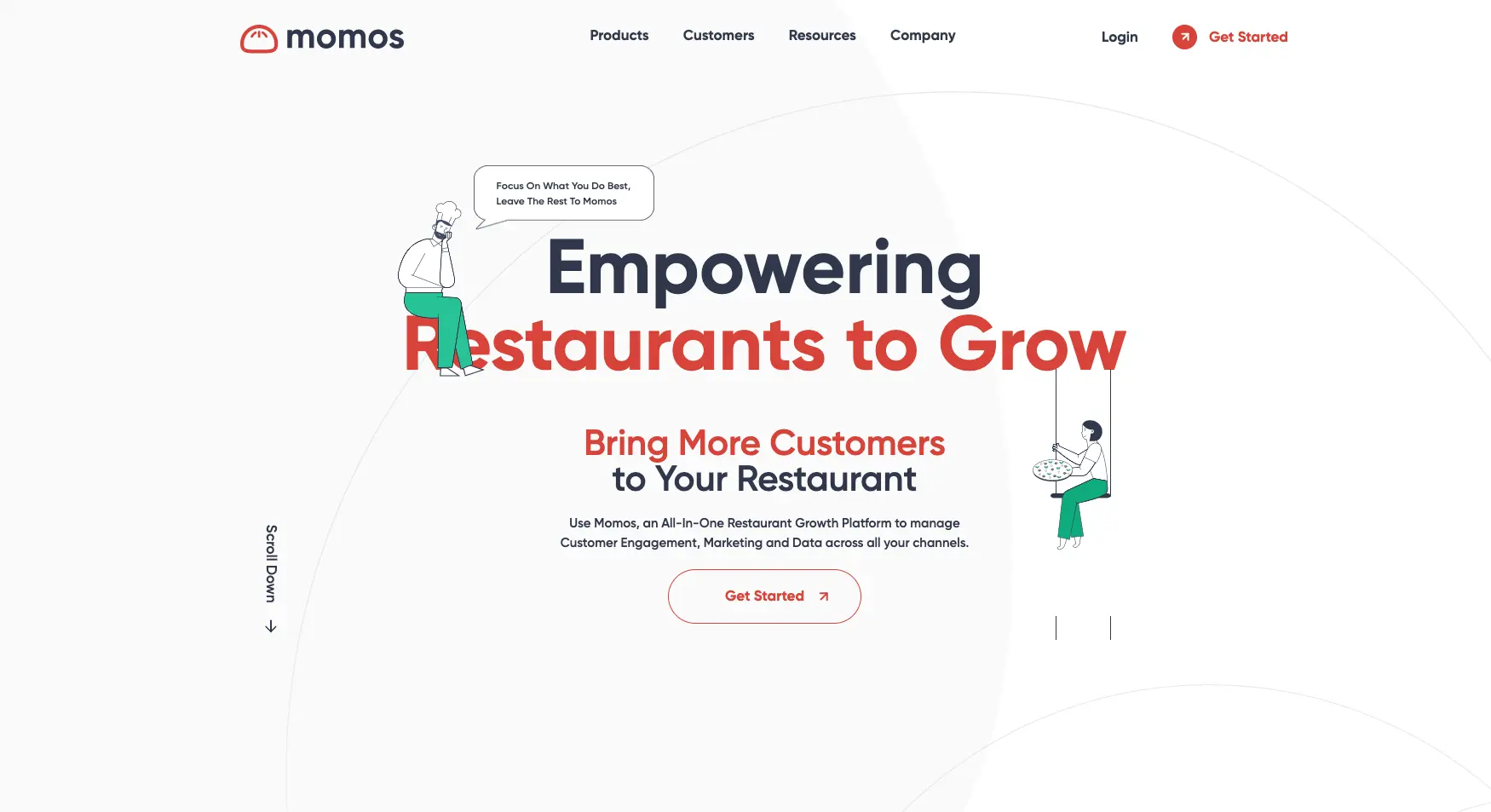
One dashboard for the delivery, ads, and analytics an F&B operator runs.
Momos
MVP
From blank repo to a launched platform onboarding its first Singapore F&B operators — built in months, not quarters.
3+
Delivery platforms — Grab, Foodpanda, and Deliveroo — unified behind a single dashboard and a single set of credentials, with room for more.
Momos is a centralized platform helping food and beverage businesses in Singapore manage delivery, ads, reviews, and analytics from a single dashboard. Founded by an ex-Grab operator, the team wanted an MVP that proved the integrated thesis fast and held up as operators came on board.
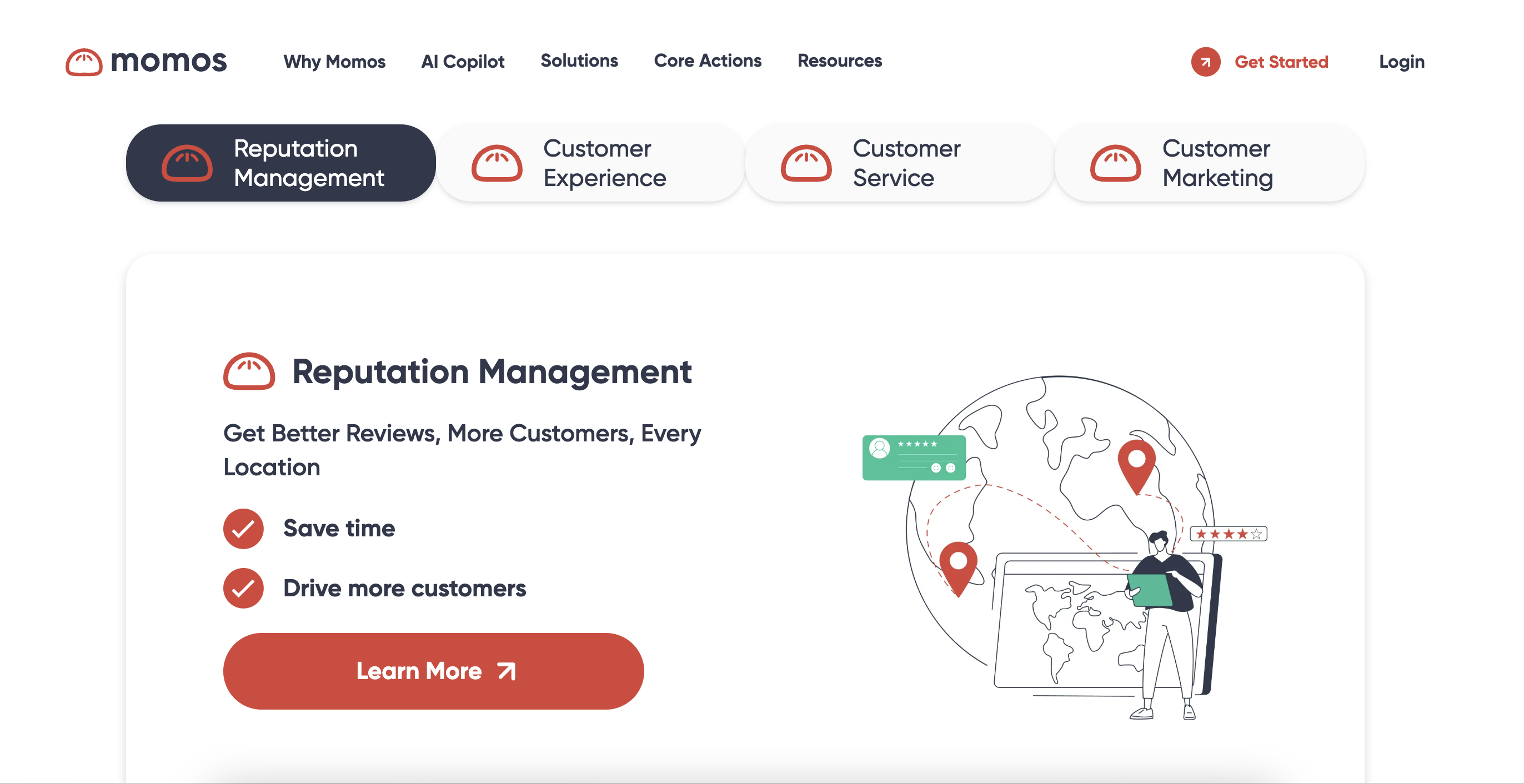
The shape of the problem was fragmentation, not feature gaps. A typical restaurant juggled multiple delivery platforms, social accounts, review feeds, and ad tools — each with its own login and its own export. Momos set out to absorb that surface area into one product, with a backend cheap enough to run during a pre-seed search for fit.
We joined as embedded engineers in March 2021, deploying a team of three that worked remotely with the Singapore-based founders. The brief was a serverless platform that could integrate with the major delivery services on day one, generate plain-language reports for owners who don’t read dashboards, and stay easy to extend as the integration list grew. The platform launched, onboarded its first users, and our partnership has continued past MVP.
When F&B businesses moved online during the pandemic, the day-to-day became a juggling act: separate logins for each delivery platform, separate social accounts, separate dashboards for reviews and ad campaigns, separate exports for sales. Owners we'd be building for wanted to think about food — not about which tab told them sales were down. Momos came in to consolidate that mess into a single surface, and we joined them as the engineering team to make it real.
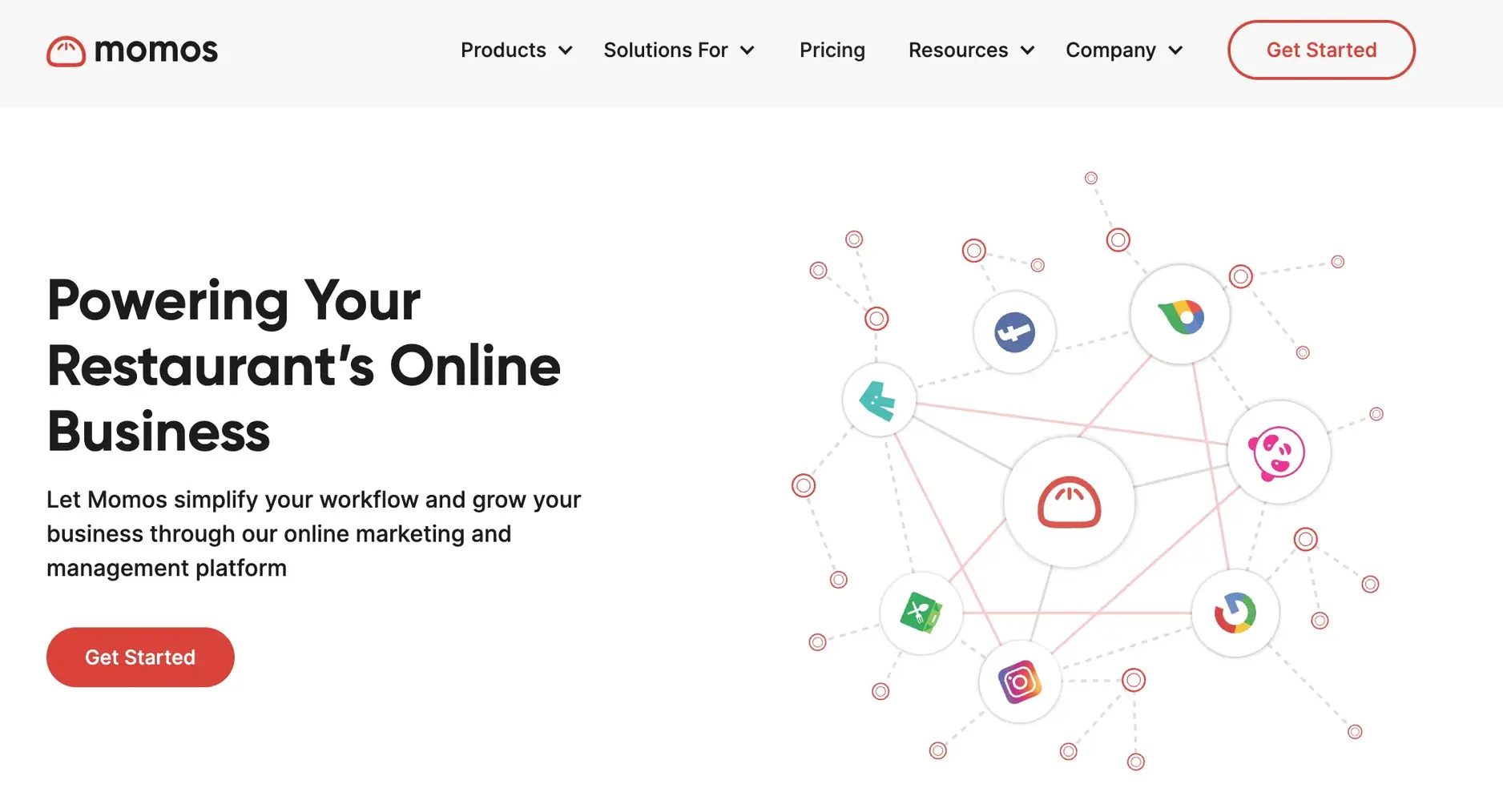
Speed and cost ruled the early architecture. We built on AWS Lambda, EventBridge, and CloudWatch so the platform scaled with traffic without an ops team to feed it. PostgreSQL with materialized views held the structured records the analytics surfaces needed in milliseconds. Auth0 over OAuth 2.0 carried the third-party connections to Grab, Foodpanda, and Deliveroo without rolling custom auth flows. The integration layer mapped each delivery platform's API into a common shape, so adding the next provider became an extension rather than a rewrite — and reports were generated through GPT-3 against materialized views, turning dashboards owners didn't have time to read into a paragraph they did.
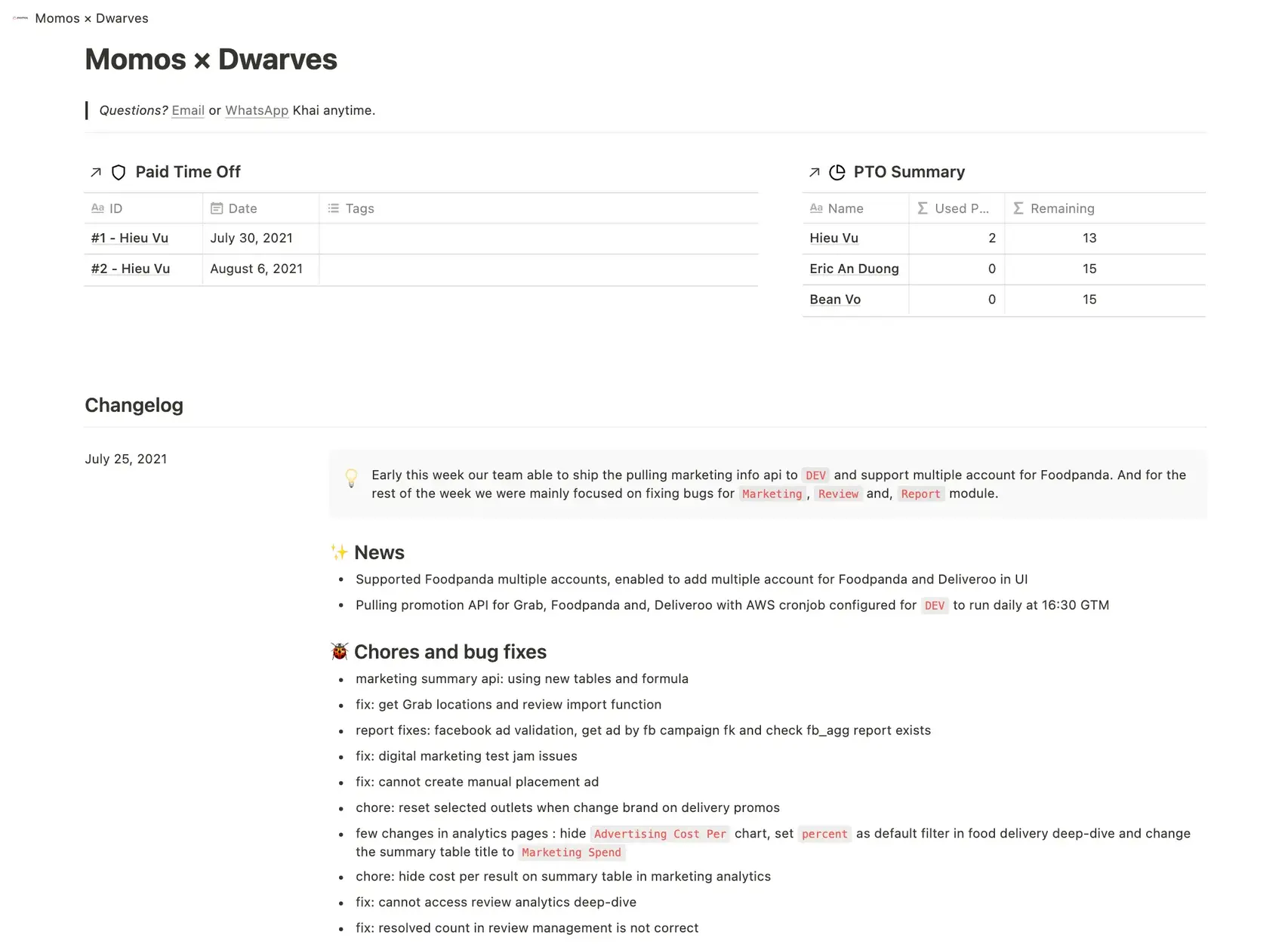
We deployed three engineers in March 2021, working with the Momos founders out of Singapore and a partner team in India. Daily Slack stand-ups, weekly change logs in Notion, and a steady cadence of staging deploys kept a distributed team aligned without ceremony. Rapid prototyping, iterative cycles, and documented integration points let the product evolve quickly while staying easy for new contributors to pick up. The platform launched, onboarded its first users, and the partnership has continued past MVP into deeper analytics and review-management work.
“Every integration we shipped was one less tab the owner had to keep open. That, more than the architecture, was the product.”
A few sentences about your team and what you're building is usually enough. We reply within three working days.