Kafi
Modernizing complex financial systems through systematic transition.
Kafi
60%
Of platform development activities now supported by our embedded engineers, alongside the Kafi team.
Zero
Downtime during the handover from legacy core to a documented, modernized platform.
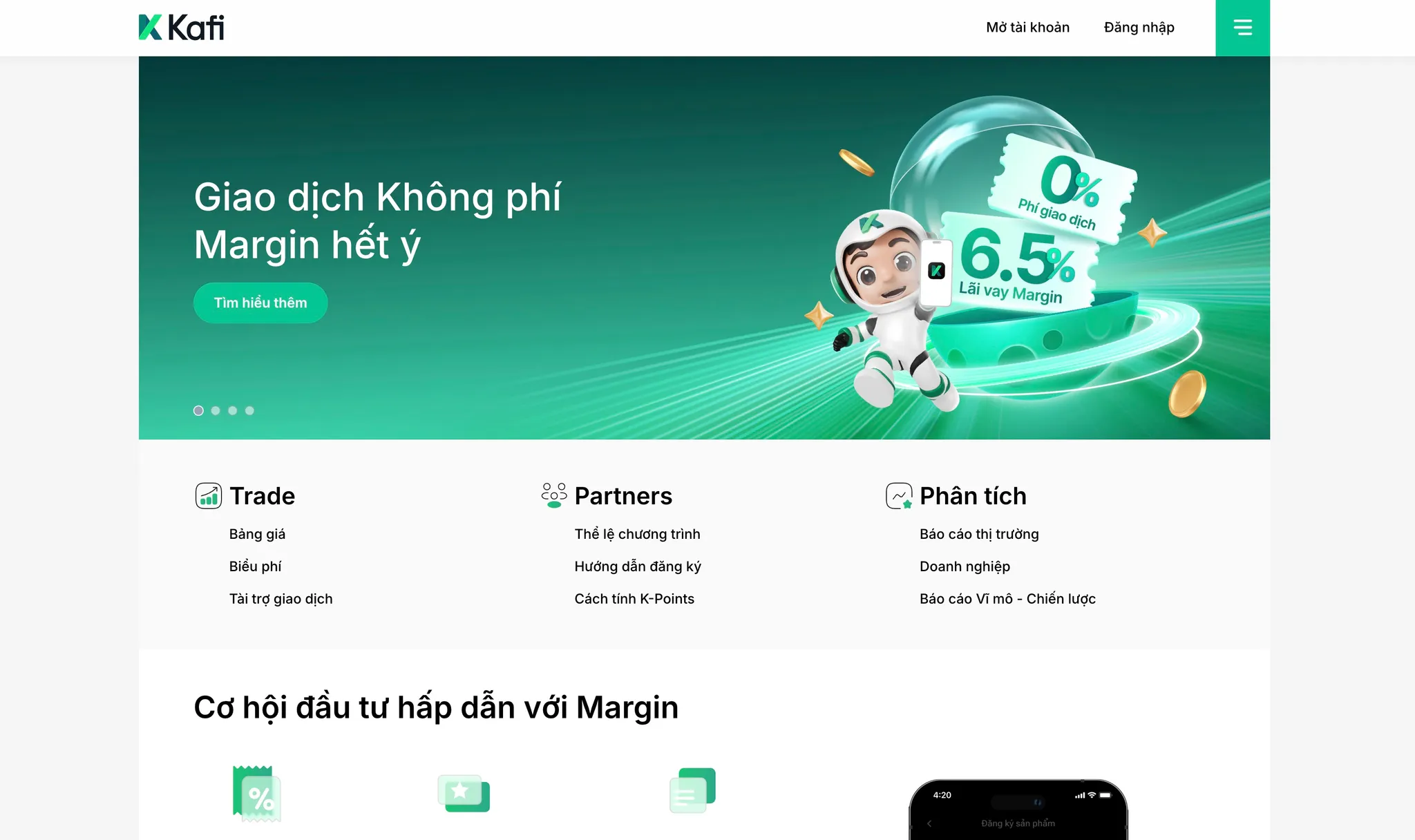
Kafi is a trading platform serving both retail and institutional clients across Southeast Asia. We joined their team to document a complex legacy system, streamline workflows, and ensure a zero-downtime handover. Our role covered architecture mapping, development process improvements, and long-term technical planning.
The platform had evolved into a highly complex system that was becoming increasingly difficult to maintain and extend. As a technology-driven financial services firm, Kafi recognized that their competitive advantage depended on their ability to rapidly adapt the platform to market needs and regulatory requirements. The complexity stemmed from years of organic growth — trading systems, risk management tools, and third-party services integrated piece by piece — and the knowledge of how it all fit together lived primarily in the minds of long-term developers.
We worked directly with their leadership, product, and operations teams to develop a systematic approach to supporting their development efforts. The goal was to establish ourselves as an extension of their team while bringing modern development practices and architectural improvements — not to deliver a project and leave, but to help them turn their platform from a constraint into a competitive advantage.
We began with an intensive audit to understand the full scope of the technology landscape. We mapped the architecture in detailed diagrams, reviewed millions of lines of code to identify patterns, dependencies and risk areas, documented deployment processes and scaling mechanisms, and traced the existing development and operational procedures. Most of the system had never been written down — the knowledge lived in the minds of long-term developers, and the goal of the first phase was to get it on paper.
With a clear picture of the system, we ran a carefully orchestrated transition. Our engineers worked in parallel with the Kafi team — starting with non-critical components before moving to core systems, and writing technical documentation as we learned each subsystem. The model we called “shadow development” had our team first observe, then assist, and finally support development on each component. Zero disruption while building confidence on both sides.
Once established alongside the development team, we began systematic improvements: refactoring critical components while preserving functionality, building frameworks for rapid integration with new platforms, optimizing response times for critical trading operations, and putting comprehensive observability in place for proactive issue detection. The partnership continues to evolve — our team now supports a majority of platform development activities and helps shape architectural and long-term technology strategy.
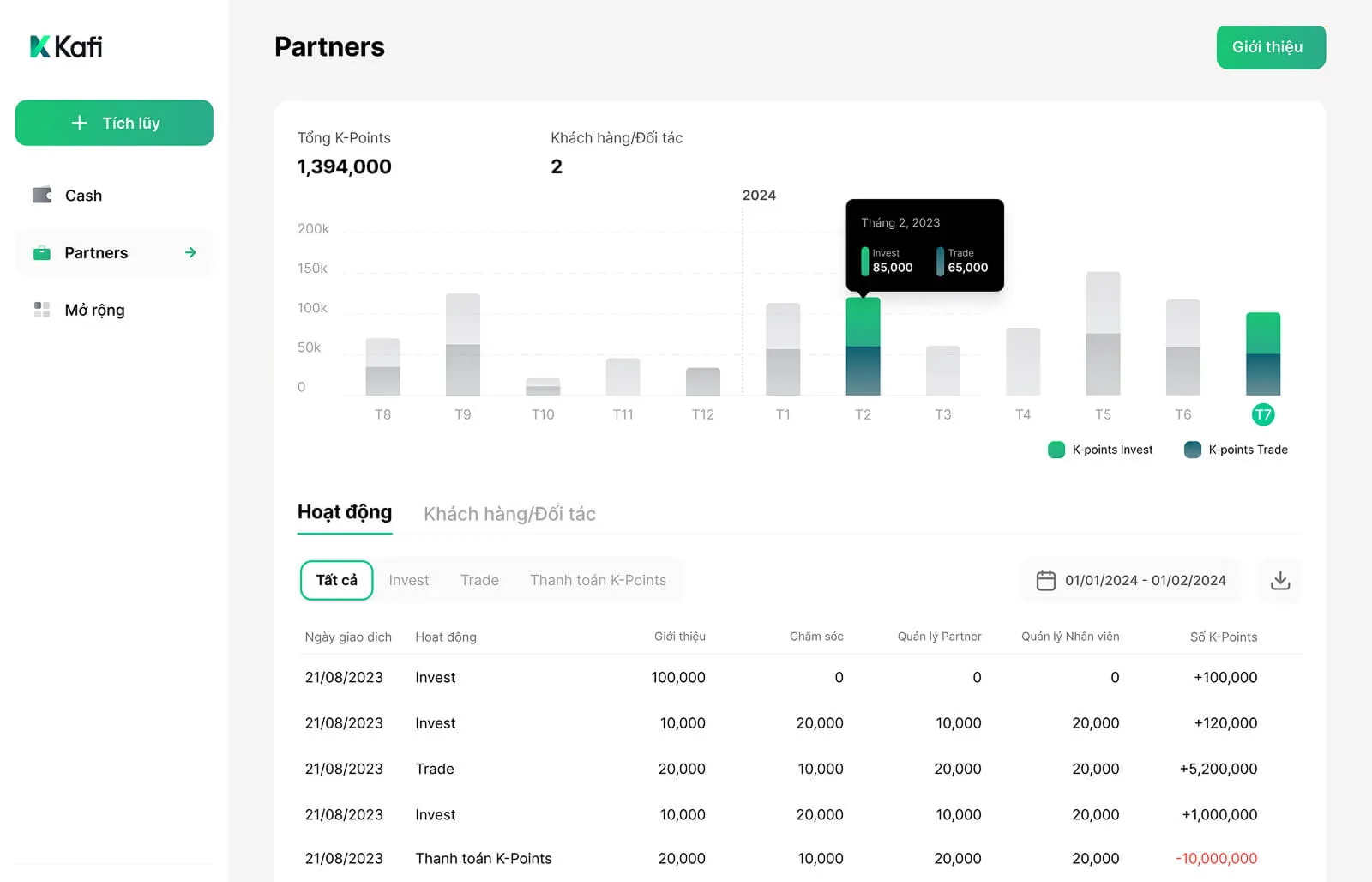
“The team didn’t just support our development — they transformed how we think about and manage our technology platform. They’ve become an integral part of our technical strategy.”
A few sentences about your team and what you're building is usually enough. We reply within three working days.